
Signals of Everyday Life: Bridging Passive Sensing and In‑the‑Moment Feedback

Today we explore combining passive sensing and experience sampling in naturalistic smartphone UX research, weaving background signals with brief, context-aware prompts to understand real behavior. We focus on scientific rigor, humane pacing, and ethical safeguards, so insights honor privacy, reduce bias, and inform decisions that align with everyday routines rather than laboratory distortions.

What Passive Signals Reveal

Background data such as accelerometer bursts, app foreground events, notification counts, Bluetooth proximity, screen on–off cycles, and coarse location form a behavioral heartbeat. These unobtrusive traces surface patterns like mobility regularity, sleep proxies, interaction bursts, and downtime, while also demanding careful sampling, battery stewardship, and privacy-first storage.

What In-the-Moment Reports Capture

Short self-reports catch perceptions unavailable to sensors: motivation, mood, perceived overload, satisfaction, boredom, and intent. Timed lightly and phrased clearly, these micro check-ins reduce recall bias, clarify reasons behind choices, and invite participants to annotate situations sensors misinterpret, turning scattered signals into understandable, human meaning.

How Both Sides Complete Each Other

Passive signals suggest when and where, while in-the-moment answers explain why and how. Together they triangulate causality cautiously, enabling context-aware triggers, sensible defaults, and respectful interventions that feel timely rather than pushy. The blend strengthens validity, limits guesswork, and produces insights stakeholders can confidently act upon.

Designing a Cohesive Mixed-Method Pipeline

Success begins with a pipeline that protects participants and your study alike. Decide eligibility, devices, consent flows, and incentives; then coordinate instrumentation, data routing, and fail-safes. Align research, product, legal, and security early to avoid surprises, and rehearse edge cases so nothing breaks during weekends or OS updates.

Recruitment and Inclusion that Reflect Reality

Recruit beyond tech-savvy volunteers by including varied ages, jobs, locales, and device capabilities. Provide clear expectations, multilingual materials, and accessible support. Balance sample diversity with analytical feasibility, and avoid excluding lower-spec phones that mirror many customers’ realities, even if logging rates need adaptation and lighter configurations.

Instrumentation and Data Flows Without Friction

Use stable SDKs with transparent permissions, background tolerances, and fallback queues. On Android, anticipate foreground service limits and battery optimizations; on iOS, respect background refresh windows and motion permissions. Encrypt at rest and in transit, verify uploads, monitor missingness dashboards, and fail safely when connectivity drops unexpectedly.

Trigger Logic That Respects Interruptibility

Schedule prompts with humane bounds: quiet hours, commute windows, and daily caps. Blend randomization with context cues like recent unlocks, stationary states, or low interaction. Allow snooze and skip without penalty, and adapt frequency based on response patterns to protect goodwill while preserving analytical coverage.

Choosing Signals and Questions that Matter

Collect less, learn more by selecting signals aligned to decisions you actually need to make. Clarify hypotheses, define outcomes, and map each metric to an actionable lever. Favor interpretability, robustness, and cross-platform feasibility over novelty, and validate that each question or sensor contributes unique, decision-relevant variance.

Earning Trust Through Privacy by Design

Trust is the foundation for any study that observes daily life. Communicate openly, collect only what is necessary, and store safely. Prefer on-device aggregation, shorten retention windows, and grant participants visibility, granular control, export options, and quick support so contribution feels respectful, reversible, and genuinely worthwhile.

Minimize, Anonymize, and Prefer On-Device

Strip identifiers, hash or tokenize where possible, and aggregate sensitive features locally before upload. Sample sparsely, round timestamps, and blur locations to neighborhoods. Adopt data classification tiers, justify each field, and document trade-offs, ensuring no one can reconstruct intimate routines from combined streams or careless joins.

Consent as an Ongoing, Understandable Agreement

Replace one-time paperwork with plain-language screens, reminders, and choices participants can revisit. Explain sensors, triggers, risks, benefits, and contacts. Provide pause, delete, and feedback controls in-app, and notify transparently about updates so trust deepens through predictable, respectful interactions rather than legalese and uncomfortable surprises.
Cleaning, Synchronizing, and Engineering Features

Detect outliers from rogue processes, normalize across devices, and align to local time with daylight-saving awareness. Derive features like session clusters, transition likelihoods, or notification pressure, and quantify uncertainty. Keep provenance logs, unit tests, and reproducible notebooks so future you trusts past you under real deadlines.

Modeling Patterns Across People and Time

Use multilevel models to separate within-person change from between-person differences. Explore state-space or hidden Markov structures for routines, and causal approaches for interventions. Validate with rolling windows, holdouts by person, and sensitivity checks, then translate parameters into guidance product teams can confidently operationalize.

Translating Findings into Stories Teams Use

Move beyond dashboards by stitching moments into narrative arcs: before, during, and after. Pair quantified traces with participant quotes, screenshots, and journey timelines. Emphasize trade-offs and uncertainty, propose testable bets, and invite stakeholders to co-interpret, ensuring adoption, accountability, and iteration rather than report shelf-life.

Field Lessons: Wins, Misses, and Surprises
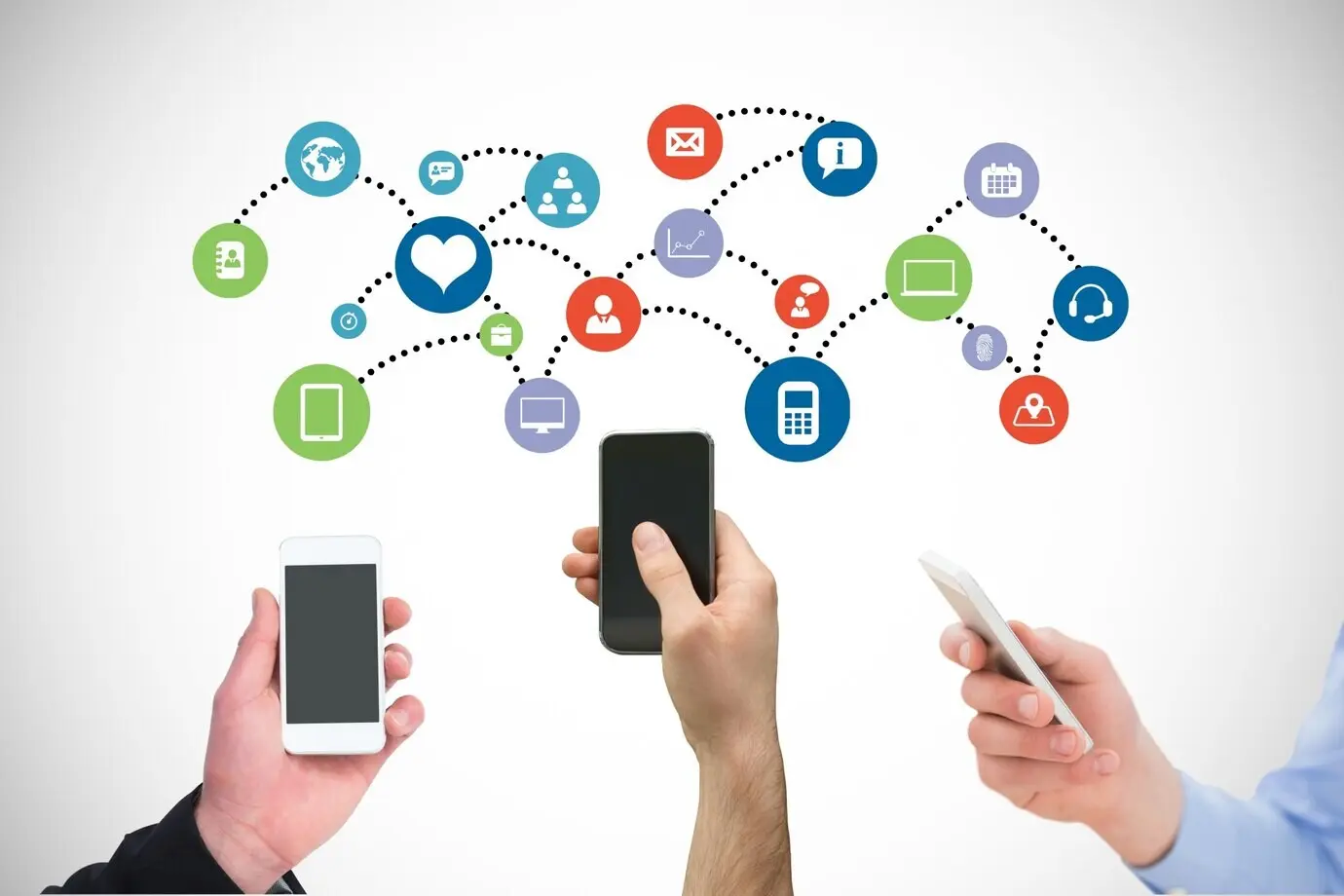
Real deployments teach best. We share patterns from studies where passive sensing and micro-surveys improved retention, revealed unseen friction, or exposed flawed assumptions. Expect uneven connectivity, OS quirks, mood variance, and human kindness. Ask questions, share your experiences, and subscribe to continue exploring this evolving craft together.
Lavapevapozufilelenukiluhu
Privacy Overview

This website uses cookies so that we can provide you with the best user experience possible. Cookie information is stored in your browser and performs functions such as recognising you when you return to our website and helping our team to understand which sections of the website you find most interesting and useful.